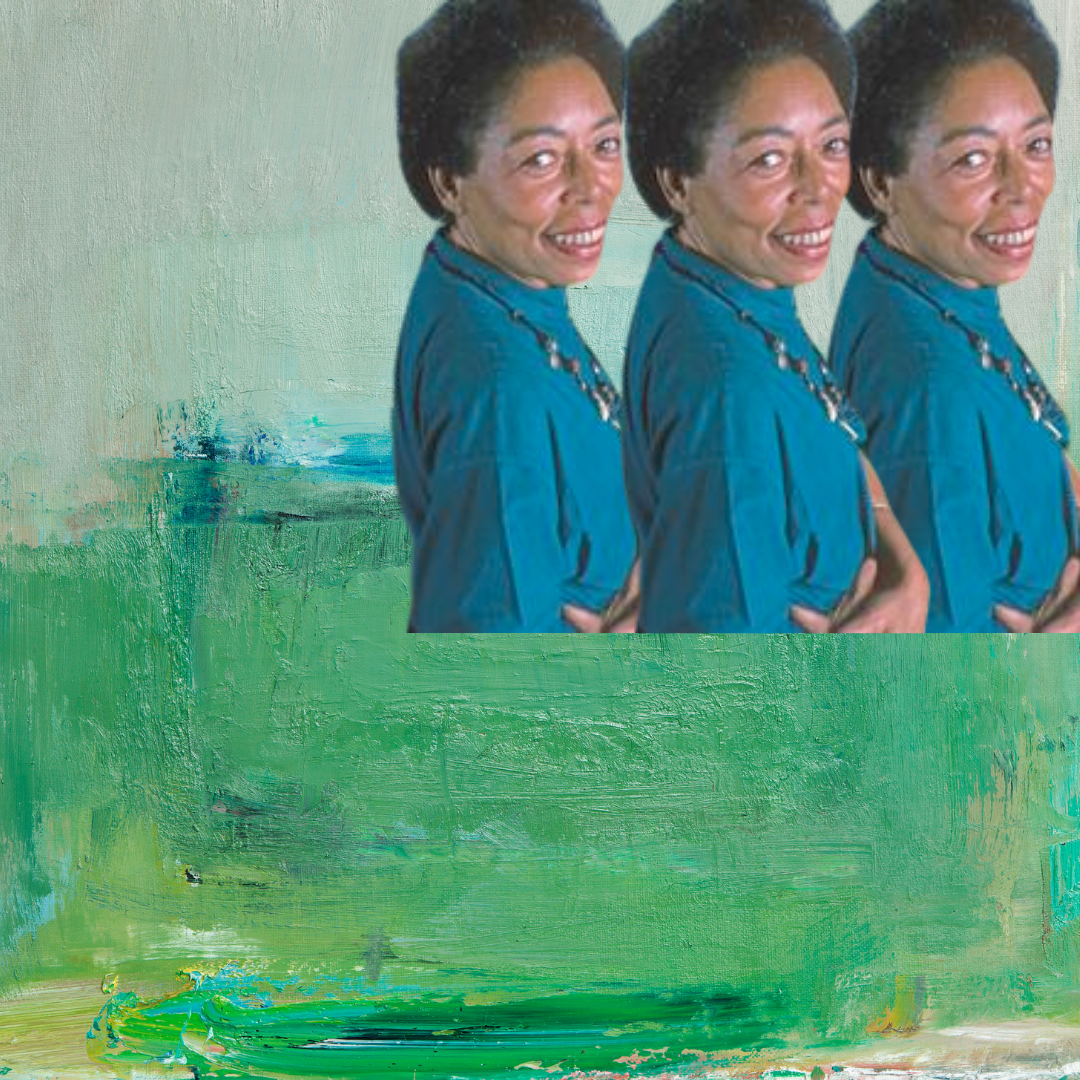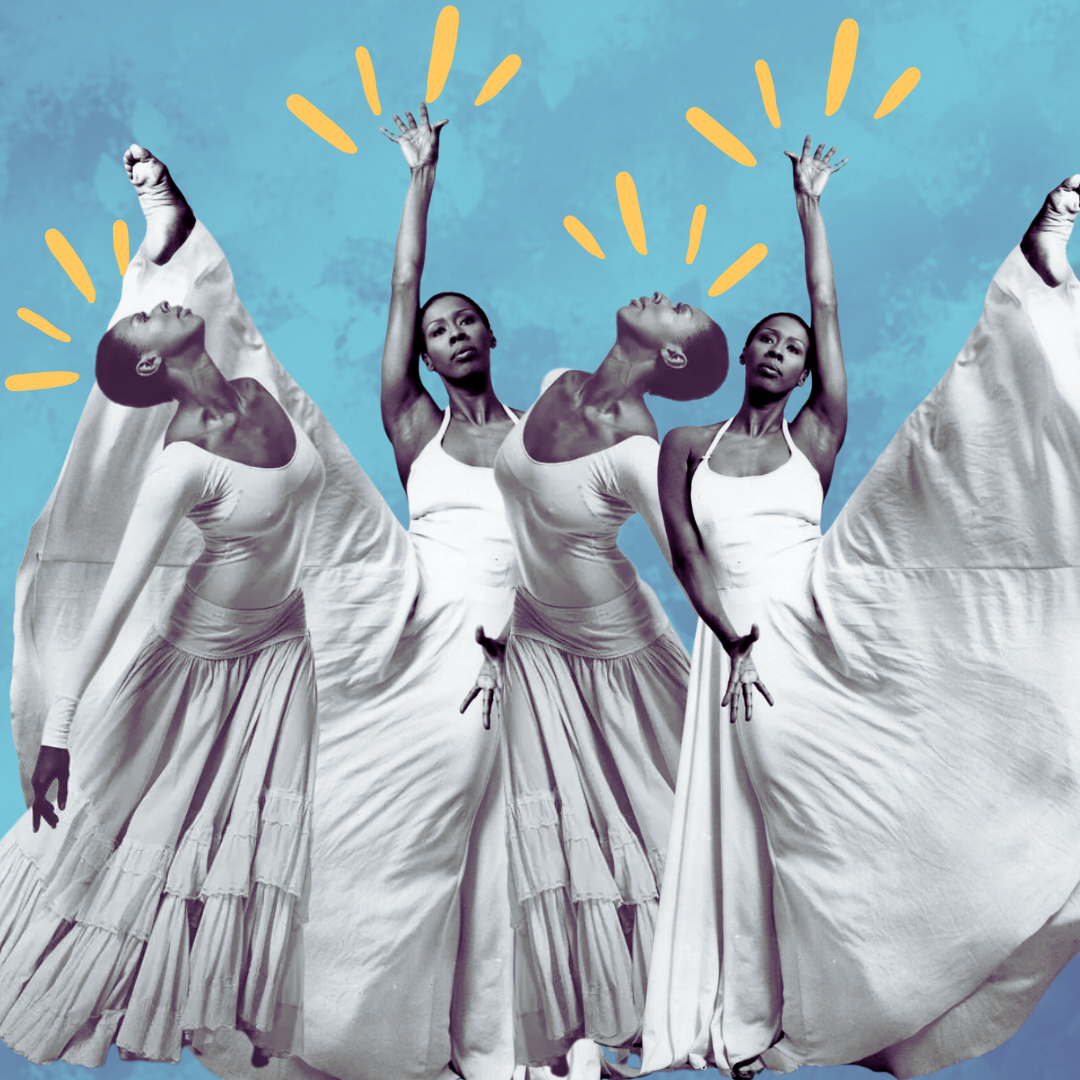
Writer Karla Mendez examines the life of dancer and choreographer Judith Jamison, whose decades-long career indelibly shifted the landscape of dance.
Read More
Writer Karla Mendez examines the life of dancer and choreographer Judith Jamison, whose decades-long career indelibly shifted the landscape of dance.
Read MoreExamining how Vivian Browne’s art and activism bridged the Black liberation and feminist movements while redefining the politics of representation.
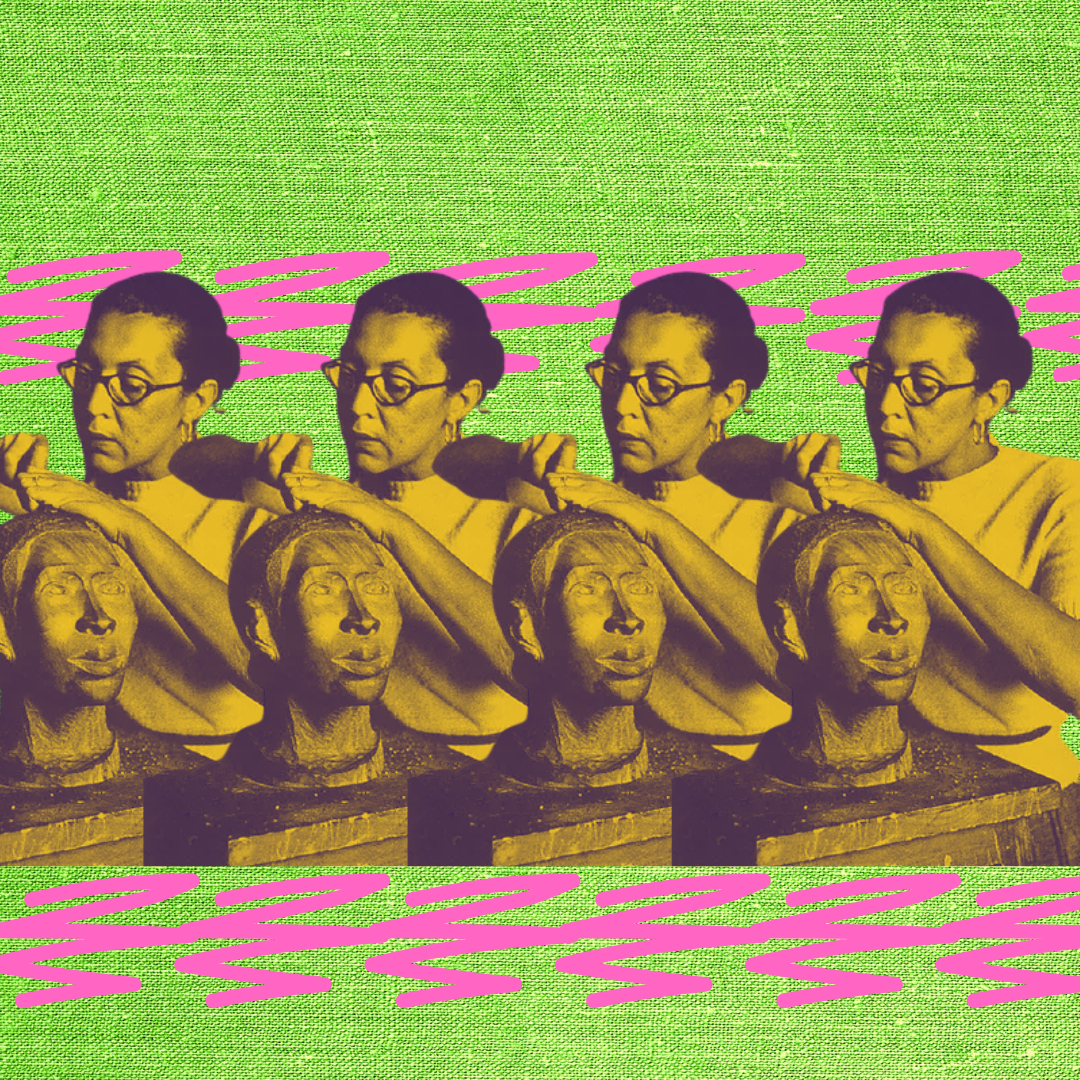
Read MoreReflecting on the life of Elizabeth Catlett, a pioneering sculptor and printmaker whose work fused art and activism to honor the strength, resilience, and dignity of Black women across the African diaspora.
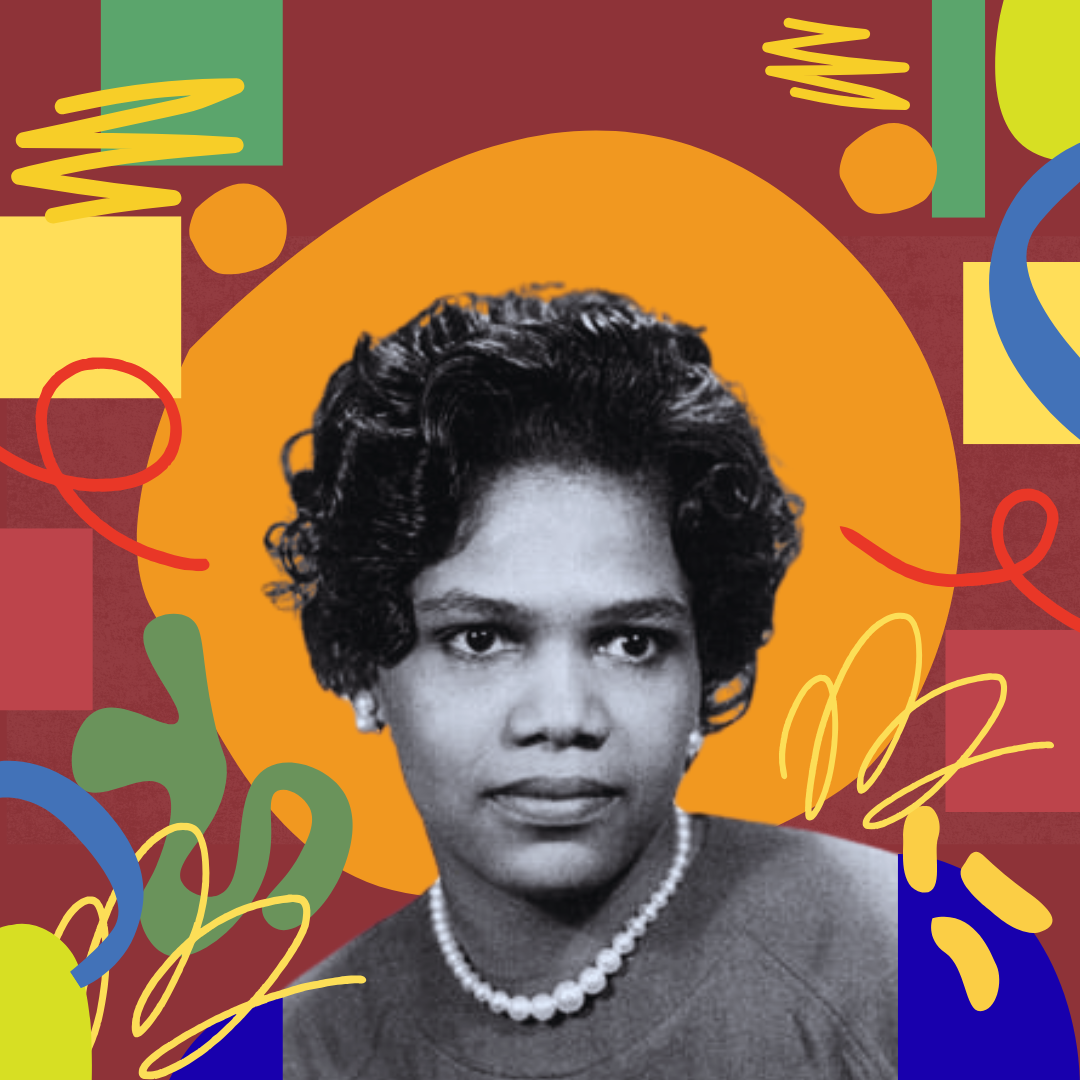
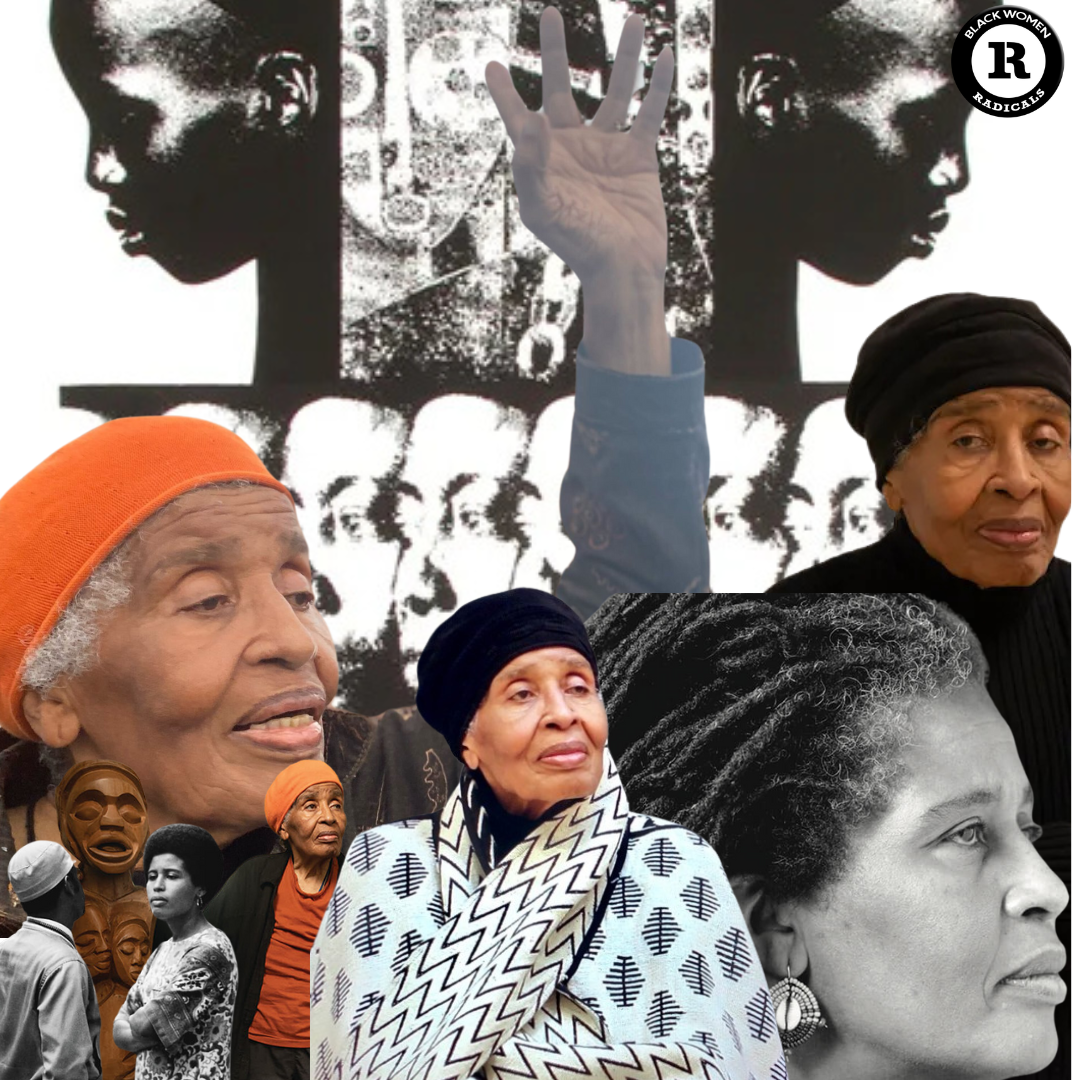
Read MoreReflecting on the extraordinary life of Dr. Edith Irby Jones–a trailblazing physician, civil rights activist, and the first Black American to break through several of the most entrenched racial barriers in Southern education and medicine.
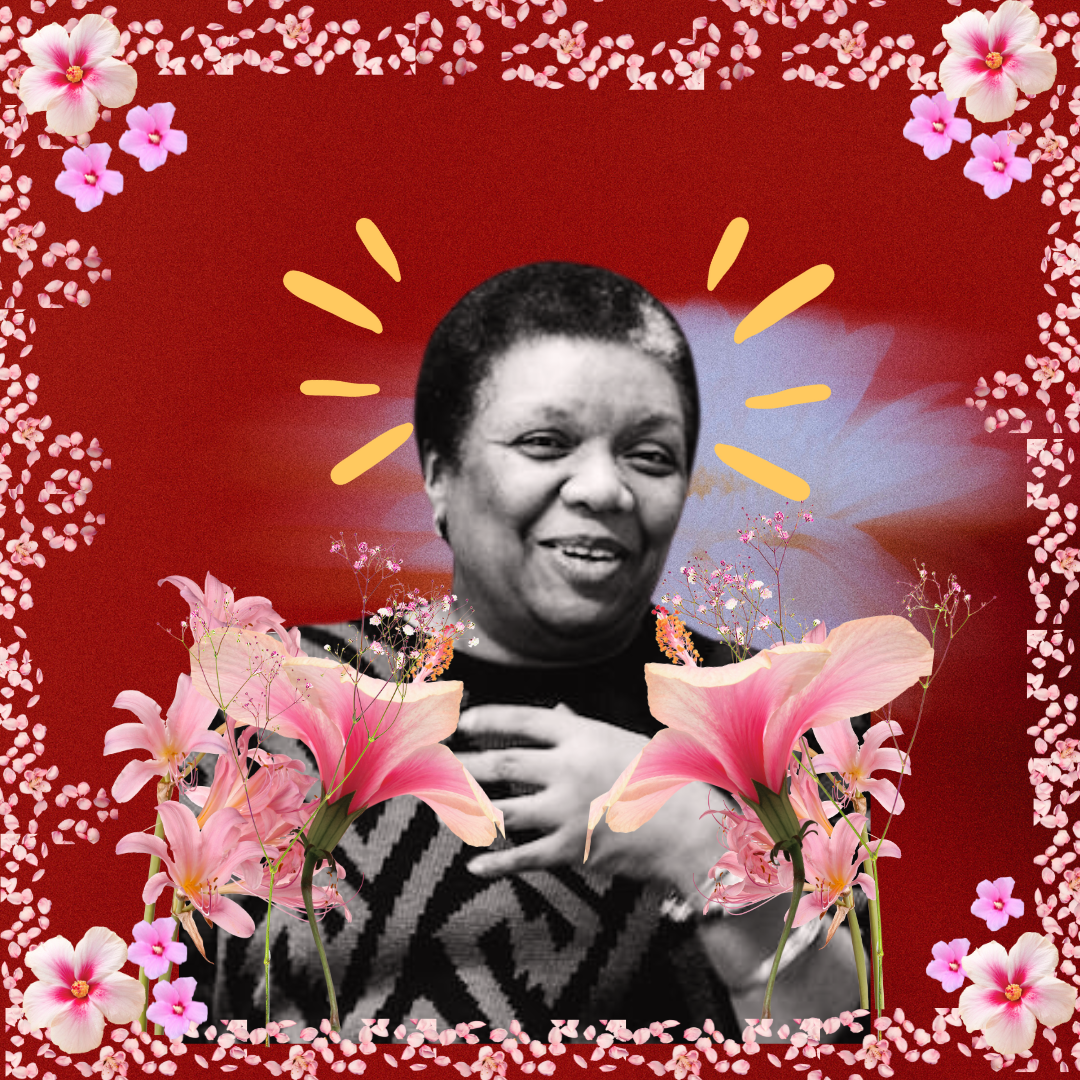
Read MoreTracing the life and work of poet Lucille Clifton and her roots in ancestry, radical truth-telling, and memory.
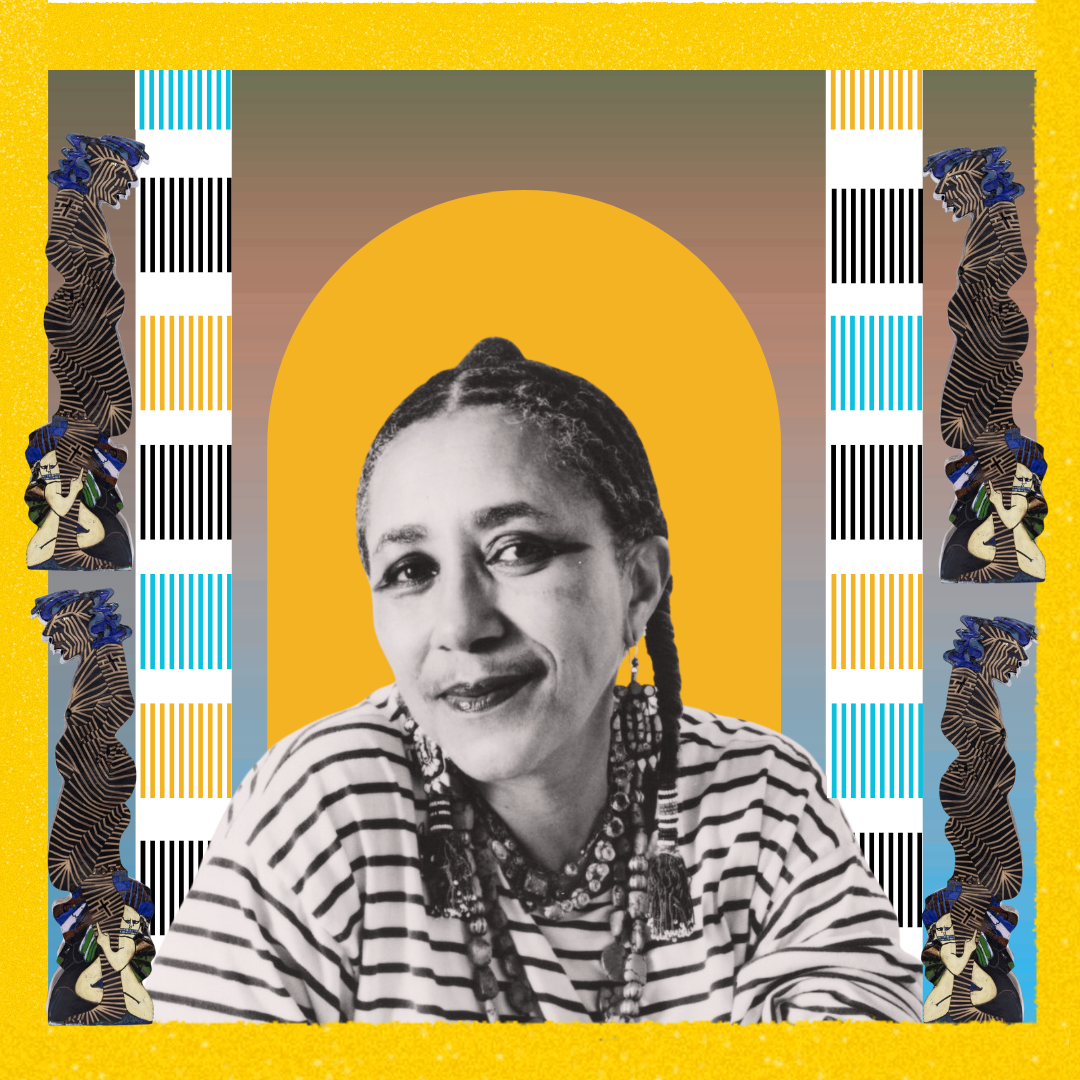
Read MoreHonoring the life and legacy of fierce artist, filmmaker, and archivist, Camille Billops, who made it her mission to preserve what the world tried to erase.
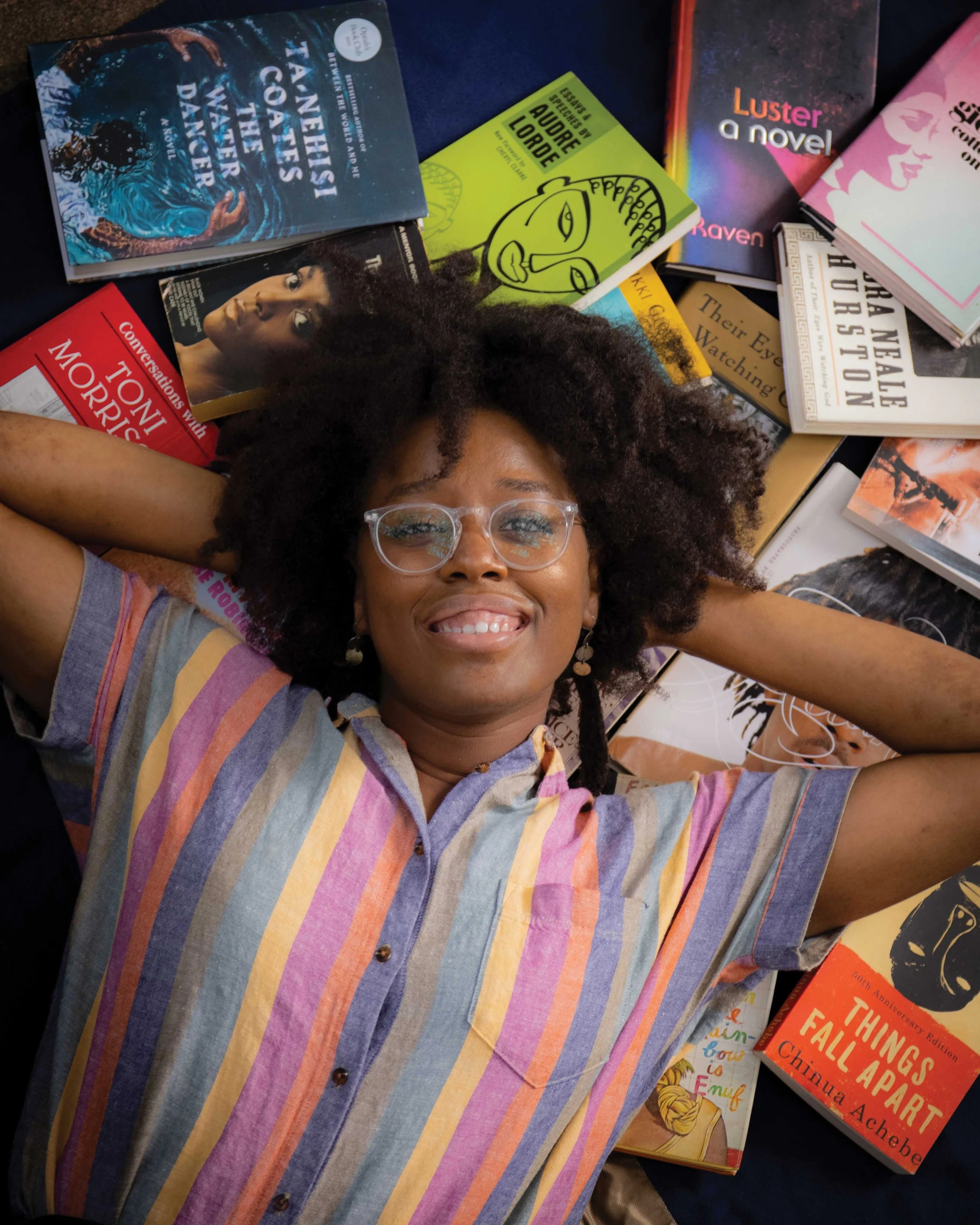
Read MoreIn honor of the publication of her book, Prose to the People: A Celebration of Black Bookstores, writer and bookseller, Katie Mitchell discusses the importance of Black bookstores, their role as sites of liberation, and community building through books.
Read MoreFor “50 Years of Combahee”, scholar, curator, and critic Tiffany E. Barber reflects on how the Combahee River Collective helped form her worldview and considers its influence on Black feminist art.
Read MoreReflecting on the work of photographer and multimedia artist Lorna Simpson.
Read MoreA reading list by Alexis De Veaux from her teach-in on “It’s All in the Reveal: Valerie Maynard, Revelation, and Black (Dis) Belonging” for The School for Black Feminist Politics.
Read MoreWriter Karla Mendez reflects on the power of Sonia Sanchez, whose pioneering work has changed the way we view poetry.
Read MoreAurielle Marie’s poetry collection, Gumbo Ya Ya, is a demand for and insistence on the cultivation of other worlds where Black gxrls are free from constant violence, terror, regulation, and judgement – where joy, pleasure, and peace are not only possible but abundance.
Read MoreA reading list by Kharoll-Ann Souffrant from her teach-in “Pioneers Long Before #MoiAussi: Black Women, Rape Culture, and Digital Feminist Activism in Quebec” for the School for Black Feminist Politics.
Read MoreCheck out our reading list from our Caribbean Feminisms Series.
Read MoreDr. Francesca Sobande’s teach-in on “Black Women’s Media Experiences & the Rise of Brand “Woke-Washing” is a part of Black Women Radicals’ School For Black Feminist Politics.
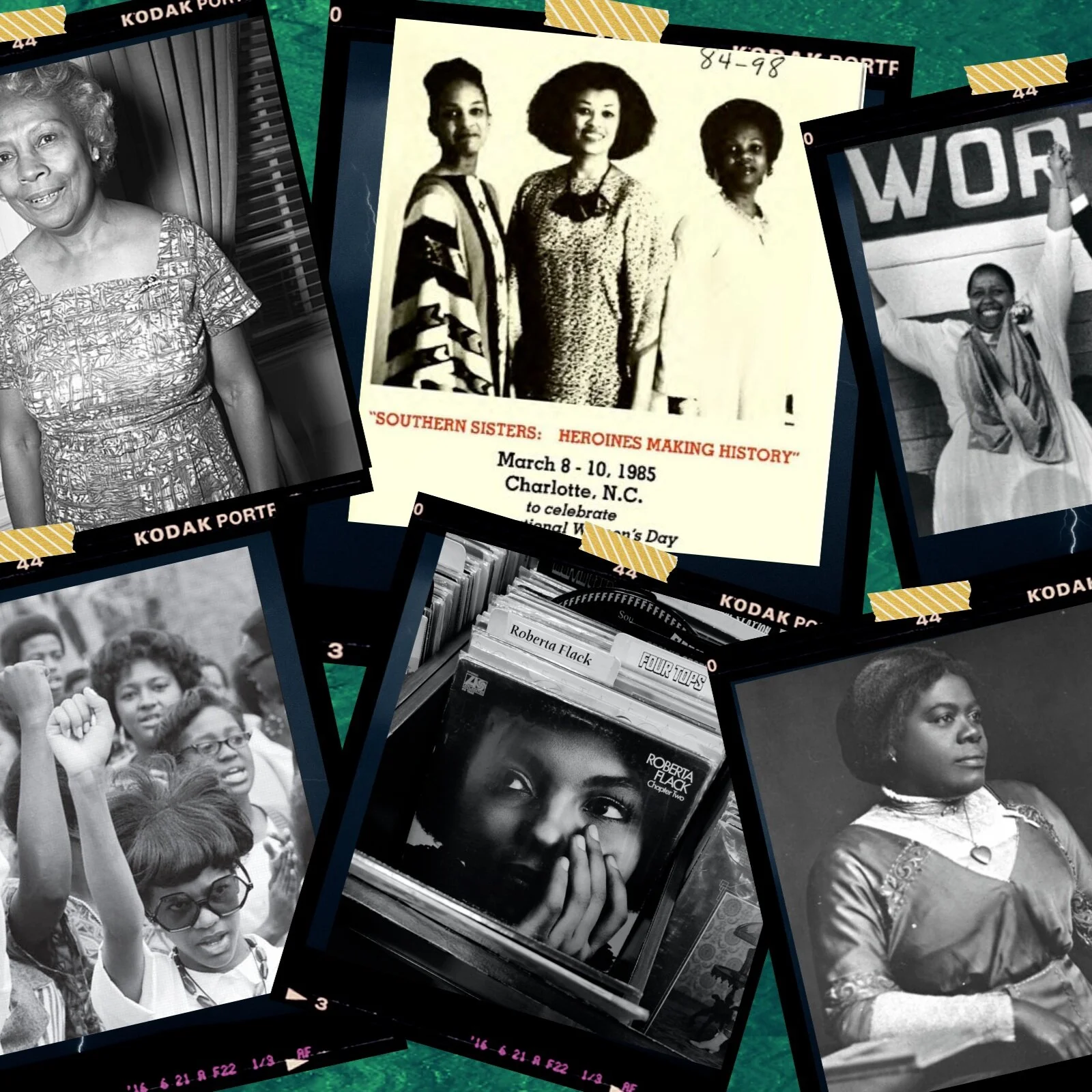
Read MoreBlack women and gender non-conforming and non-binary people’s histories, productions, leadership, and activism has often been overlooked, forgotten, and ignored in the United States and beyond. Here are 16 Black and Brown women-led archival projects that are reclaiming and restoring what white heteronormative patriarchal revisionist history tried to destroy and take from us.
Read MoreAmerican poet, novelist, and playwright, Paul Laurence Dunbar wrote the poem “We Wear the Mask” in the early nineteenth century. The poem is one of the earliest enunciations of Black people’s experiences navigating between multiple worlds in the U.S. Now over 100 years later, his words are eerily relevant in the face of the 2020 COVID19 pandemic. As we think about the consequences and realties of living in the COVID-19 moment, two queer Black feminist scholars reexamine their own experiences of Black life, Black death, and Black material culture feeding into our newest iteration of the mask.
Read MoreCheck out our “Black and Asian-American Feminist Solidarities” Reading List.
Read MoreAfro-Brazilian filmmaker, activist, and producer, Éthel Oliveira is on a mission to ensure that the life of the late Marielle Franco and the resistance and resiliency of Black people in Brazil are documented.
Read MoreVilissa Thompson (she/her/hers) is making it known that Black disabled women, femmes, and non-binary folks are not waiting for a seat at the table––they have destroyed that “table” and are creating their own spaces and platforms on their own terms.
Read More